
How to Turn Your Garden Into a Learning Lab
Your garden isn’t just a space for plants to grow – it’s a dynamic outdoor classroom filled with hands-on learning opportunities for children of all ages. Whether you have a small patio or a sprawling green space, turning your garden into a learning lab can ignite curiosity, develop life skills, and support subjects from science to art. Here’s how to make the most of your garden for educational exploration, inspired by the practices of this prep school in Richmond.
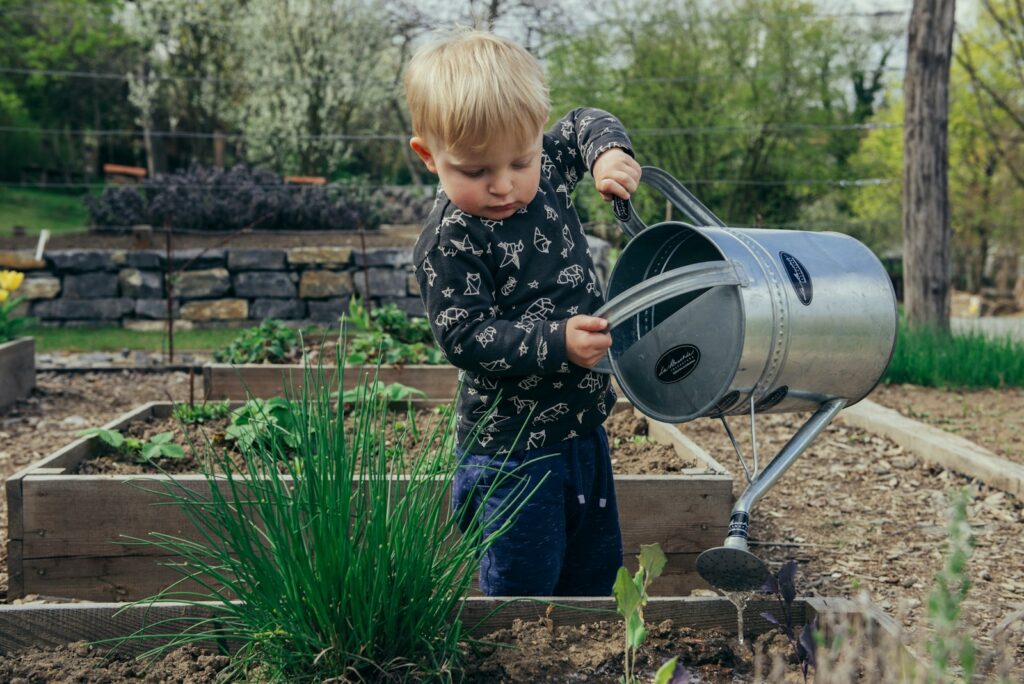
Start With Observation and Curiosity
The best way to begin is simply to observe. Encourage your child to look closely at the plants, insects, and weather patterns. What colours and shapes can they see? How do things change with the seasons? A magnifying glass and a notebook can go a long way in helping them record their discoveries and ask questions. This sets the tone for a scientific approach – observation, prediction and investigation – in a natural and engaging setting.
Grow Your Own Mini Experiments
Gardening offers endless possibilities for experimentation. Try growing different types of seeds in varied conditions – some in the sun, some in the shade, others with more or less water. Track which ones grow fastest or tallest and why. You can even test out natural fertilisers versus shop-bought alternatives. These simple activities teach children the scientific method and help build an understanding of biology and environmental science.
Create a Sensory Space
Learning isn’t just academic – it’s also sensory. A garden full of textures, scents, and colours supports early development, particularly in younger children. Include plants like lavender, rosemary, and lamb’s ear for touch and smell exploration. Add wind chimes or bird feeders for sound-based learning. These elements help children tune in to their senses and reflect on how they experience the world.
Encourage Maths and Measuring
Your garden is full of opportunities for practical maths. Use rulers to measure plant growth, create charts to track weather patterns, or time how long it takes different flowers to bloom. Children can estimate how many sunflower seeds are in a head or calculate the area of raised beds. Applying maths in a real-world context helps reinforce understanding and shows children the relevance of numeracy in daily life.
Use the Garden as a Canvas
Nature is a great medium for creative expression. Collect leaves and flowers for nature collages, or use mud, sticks, and stones to create sculptures. Older children might enjoy sketching insects or painting landscapes. This brings art into the natural world and supports mindfulness, focus, and fine motor skills.
Make It Sustainable
Finally, use the garden to teach sustainability. Set up a compost bin, create a bug hotel, or introduce rainwater collection. Talk about the importance of pollinators and biodiversity. These activities help children understand their role in protecting the environment and encourage responsible habits that last a lifetime.
Transforming your garden into a learning lab doesn’t require expensive equipment or major changes. With a bit of creativity and encouragement, you can inspire a love of learning that grows alongside your plants – all while spending valuable time outdoors together.
This is a collaborative post.


